
Understanding Parkinson’s disease and the role of imaging in earlier detection
Posted April 24, 2026
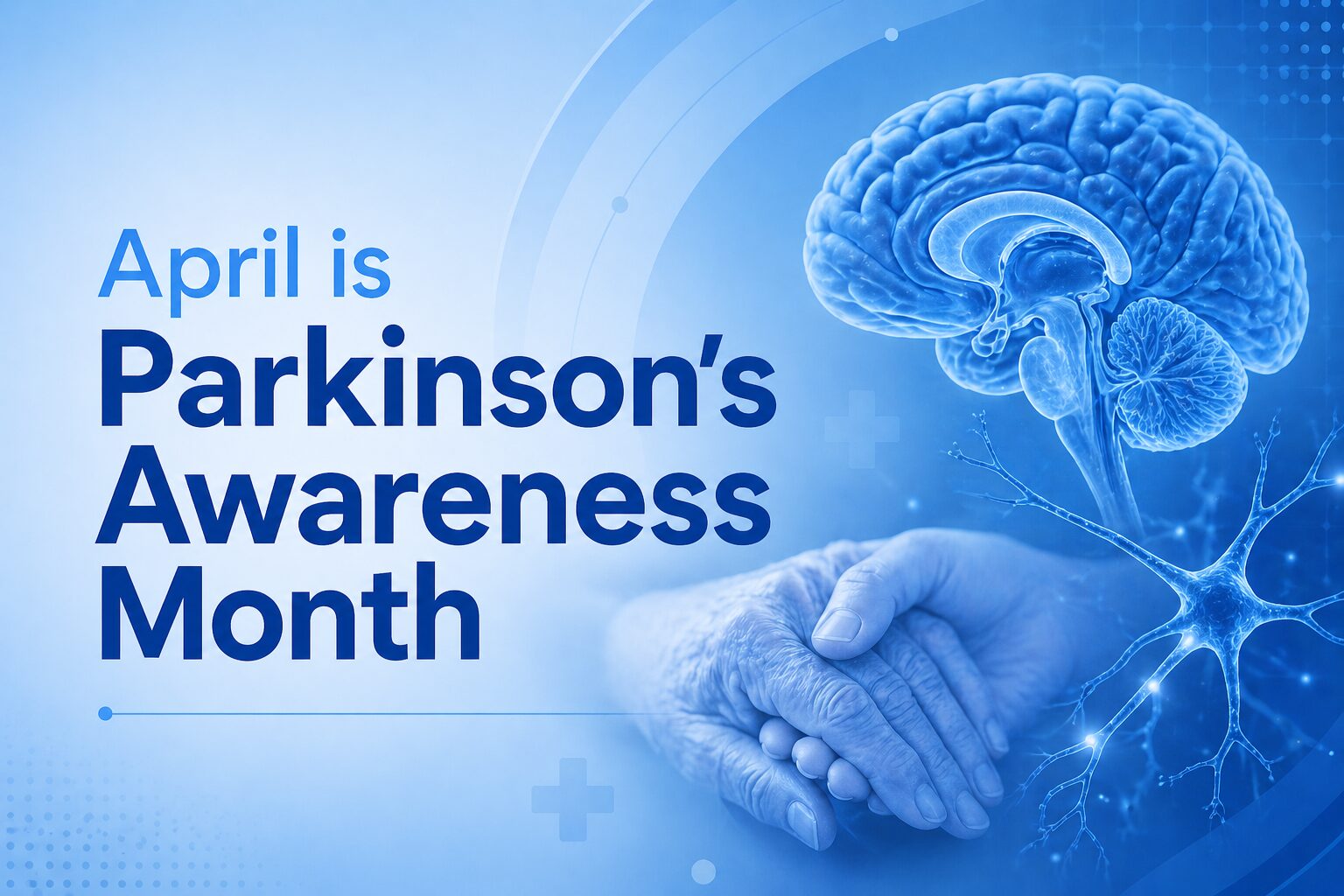
The human brain is remarkable — intricate, highly specialised, and uniquely individual. It controls how we move, think, and interact with the world around us. When something disrupts that delicate system, even in small ways, the impact can be significant.
Parkinson’s disease (PD) is one such condition. It is a progressive neurodegenerative disorder that affects dopamine-producing neurons in the brain. Commonly recognised as a movement disorder, Parkinson’s can cause tremors, muscle stiffness, slowed movement, and difficulties with balance and coordination. However, its effects are often broader, with some individuals also experiencing changes in mood, sleep, and cognition.
One of the complexities of Parkinson’s disease is that it does not follow a single, predictable path. Symptoms can develop gradually and vary widely from person to person. Some people may notice subtle changes over many years, while others experience a more rapid progression. This variability can make early diagnosis challenging, particularly in the initial stages when symptoms may be mild or overlap with other conditions.
Early detection plays an important role in helping individuals access appropriate care sooner. While there is currently no cure for Parkinson’s, timely diagnosis allows for better symptom management, informed decision-making, and improved quality of life over time.
This is where advanced imaging can provide meaningful support.
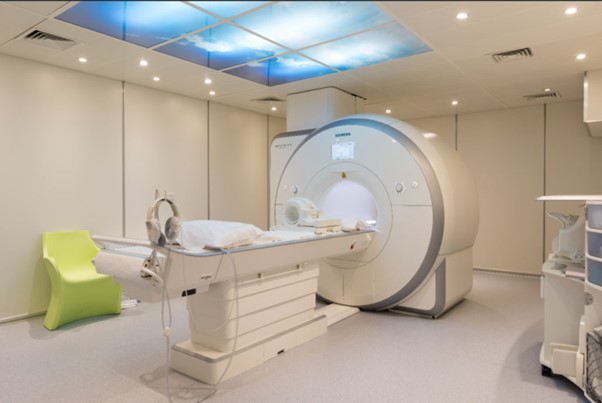
At RADIUS Imaging, MRI and specialised neuroimaging techniques are used to assist clinicians in evaluating neurological conditions such as Parkinson’s disease. Although Parkinson’s remains primarily a clinical diagnosis, imaging contributes valuable additional information. It can help rule out other potential causes of symptoms, support diagnostic confidence, and provide a clearer picture to guide specialist-led care.
For patients, this clarity can make a real difference. Behind every scan is someone seeking answers — often navigating uncertainty, concern, or the need for reassurance. High-quality imaging helps bridge the gap between symptoms and understanding, enabling clinicians to make more informed decisions and patients to move forward with greater confidence.
Parkinson’s Awareness Month is an opportunity to reflect not only on the condition itself, but on the people behind it. Individuals living with Parkinson’s, their families and caregivers, and the healthcare professionals supporting them all play a part in this journey.
At RADIUS Imaging, we are proud to support that journey through precision, care, and advanced technology — because clarity beneath the surface matters.
To learn more about how MRI and neuroimaging can support neurological assessment and early detection, speak with your healthcare provider or visit the Parkinson’s Australia website.